
Essential Compliance Documents for Importing Drinkware into North America and Europe
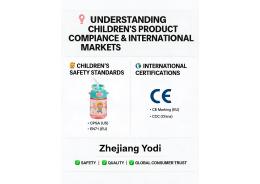
When importing drinkware into regions such as North America or Europe, ensuring compliance with local regulations is critical. Compliance not only protects customers' safety but also avoids legal penalties and ensures smooth customs clearance. Factories, such as Zhejiang Yedi Houseware Co., Ltd., usually provide various certificates and documents to meet these essential requirements.
1. FDA Certification
For drinkware products entering the North American market, especially the United States, the FDA (Food and Drug Administration) certification is mandatory. The FDA ensures that materials used in contact with food or beverages are safe and non-toxic. Drinkware must meet the FDA’s stringent safety standards to confirm that it does not leach harmful chemicals into consumables.
2. LFGB Certification
In Europe, the LFGB (Lebensmittel-, Bedarfsgegenstände- und Futtermittelgesetzbuch) certification is widely recognized. This German food-grade standard is one of the strictest in the EU and guarantees that the drinkware materials are safe for contact with food and drinks. Having LFGB-compliant products makes them easier to market across the European region.
3. REACH Compliance
REACH (Registration, Evaluation, Authorisation and Restriction of Chemicals) is another key regulation within the EU. Its primary purpose is to ensure the safe manufacture and use of chemical substances. Drinkware products that comply with REACH prove that they do not contain harmful levels of toxic substances, such as lead, phthalates, or other restricted chemicals.
4. Proposition 65 Compliance
California’s Proposition 65 (Prop 65) impacts all products sold in the state. For drinkware to meet Proposition 65 requirements, it must not contain harmful chemicals listed under this regulation in quantities that could pose risks to consumers. Factories may provide Prop 65 test reports to confirm compliance.
5. BPA-Free Certification
BPA, or Bisphenol A, is a chemical often found in plastics and coatings, and it can be hazardous to human health. Many consumers now expect drinkware to be labeled BPA-free. Factories should provide test results proving the absence of BPA in plastic products.
6. Material Certifications
Material certifications such as stainless steel grades (e.g., 304 or 316), Tritan plastic compliance, or ceramic safety reports confirm that the materials used in the drinkware meet industry standards. These certifications support claims made about product quality and durability.
7. Social and Ethical Compliance Audits
Many importers, especially in Europe, now demand factories to comply with ethical and social responsibility standards like BSCI (Business Social Compliance Initiative) or SEDEX (Supplier Ethical Data Exchange). These audits ensure that the factory adheres to fair labor practices, environmental standards, and workplace safety measures.
8. Factory Quality Management System Certifications
Certifications such as ISO 9001 prove that the factory follows a robust quality management system. This assures customers that the products are manufactured consistently and meet the required quality standards.
Conclusion
Importing drinkware into North America and Europe comes with a set of regulatory expectations, and possessing accurate compliance documents is crucial. Factories like Zhejiang Yedi Houseware Co., Ltd. have a proven track record of providing the necessary certifications and documents, making them reliable partners in ensuring your import process is seamless.

 English
 German
 French
 Russian
 Spanish
 Japanese
 Korean
 Portuguese
 Ukrainian
 Arabic
 Italian


