
Understanding Compliance with Product Standards for Children and International Markets
Manufacturers consistently face the challenge of ensuring that their products meet specific standards, particularly when intended for children or varied international markets. These standards are not merely recommendations; they are crucial benchmarks that ensure safety, quality, and acceptance across different regions.
Children's Products: Safety First
Products intended for children must adhere to stringent safety standards. For instance, toys and clothing must meet regulations that limit toxic materials, mitigate choking hazards, and ensure durability under normal use conditions. Manufacturers strive to comply with standards such as the Consumer Product Safety Improvement Act (CPSIA) in the United States or the European Union's EN71 standards for toys. Compliance with these regulations is imperative to avoid potential recalls and ensure child safety.
International Market Standards
When manufacturing for international markets, companies must navigate a complex landscape of regional standards and regulations. For instance, the European Union mandates CE marking for products that meet its health, safety, and environmental protection requirements. Similarly, manufacturers exporting to countries like China must comply with the Chinese Compulsory Certification (CCC) standards. This can involve adjustments in product design, material usage, and labeling to cater to regional preferences and legal demands.
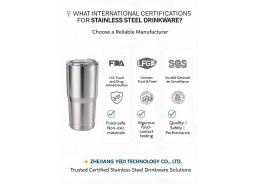
The website Zhejiang Yedi highlights the importance of these standards, stressing their role in facilitating smoother entry into various international markets and ensuring product reliability and consumer trust across different segments, especially in children's products.
Conclusion
In conclusion, compliance with specific standards for products intended for children and international markets is not just about meeting legal requirements. It is about ensuring product safety, enhancing quality, and building trust with consumers worldwide. As companies like Zhejiang Yedi demonstrate, adhering to these standards is a vital component of manufacturing success in today’s globalized economy.




 English
 German
 French
 Russian
 Spanish
 Japanese
 Korean
 Portuguese
 Ukrainian
 Arabic
 Italian


