
Factors Influencing the Unit Price of Bulk Insulated Tumblers
In the world of bulk purchasing, understanding what drives the unit price of insulated tumblers is crucial for businesses, retailers, and organizations seeking cost - effective solutions. Zhejiang Yedi, a leading manufacturer of insulated drinkware, sheds light on the key factors shaping bulk tumbler pricing.
1. Order Quantity (Economies of Scale)
The most direct factor impacting bulk tumbler pricing is order quantity. Larger volumes unlock economies of scale: fixed costs (such as mold setup, design fees) are spread across more units, reducing the per - tumbler cost. For example, a 5,000 - unit order will have a lower unit price than a 500 - unit order, as production efficiency and material procurement discounts come into play.
2. Material Quality & Type
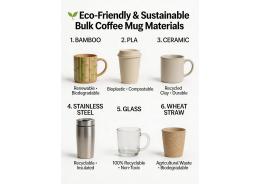
Insulated tumblers rely on materials like stainless steel (304, 316 grades), food - grade plastics, or ceramic linings. Higher - quality materials (for instance, medical - grade stainless steel for durability and safety) increase production costs, which in turn raises the unit price. Material sourcing also matters—sustainable or premium materials (such as recycled stainless steel, copper - insulated layers) will drive costs up, while standard materials offer more budget - friendly options.
3. Customization & Branding Requirements
Customization—from logo printing (screen printing, laser engraving) to color matching, unique designs, or specialized finishes—adds layers of cost. Complex artwork, multiple colorways, or 3D embossing require extra labor, equipment, or mold adjustments. For instance, a bulk order with full - color digital printing will cost more per unit than a plain tumbler, as setup time, design fees, and production complexity increase.
4. Production Process & Technology
The insulation technology (like double - wall vacuum insulation, copper plating) and manufacturing techniques (such as seamless welding, powder coating) significantly impact pricing. Advanced processes (like vacuum - sealed insulation for 24+ hour temperature retention) demand precision equipment and skilled labor, increasing production costs. Simpler designs or standard insulation methods will yield lower unit prices.
5. Logistics & Supply Chain Factors
Beyond production, logistics (shipping distance, freight method, customs duties) and supply chain efficiency influence unit costs. Bulk orders shipped internationally may incur higher freight charges, while local or regional deliveries (for example, within China or neighboring markets) reduce transportation costs. Additionally, inventory management, lead times, and whether the supplier includes shipping in the price (FOB vs. DDP terms) affect the final unit price.
6. Supplier & Brand Value
Working with a reputable manufacturer like Zhejiang Yedi brings quality assurance, but brand or supplier reputation can also introduce a “premium” for reliability, compliance (such as food - grade certifications), and after - sales support. Conversely, less - established suppliers might offer lower prices but with trade - offs in quality or service—highlighting the importance of balancing cost with value.
7. Market Dynamics & Raw Material Costs
External factors like raw material price fluctuations (for example, stainless steel, plastic resin) and market demand (seasonal peaks for promotional products) impact pricing. During peak seasons (such as holiday gifting), demand for bulk tumblers rises, potentially driving up prices. Similarly, global supply chain disruptions (like steel shortages) can increase material costs, directly affecting unit prices.
Conclusion
For businesses ordering bulk insulated tumblers, the unit price is a balancing act of quantity, quality, customization, and operational factors. By partnering with an expert manufacturer like Zhejiang Yedi, buyers can navigate these variables—leveraging scale, material choices, and efficient production—to optimize costs without compromising on quality. Whether you’re a retailer, brand, or organization, understanding these drivers empowers smarter purchasing decisions.

 English
 German
 French
 Russian
 Spanish
 Japanese
 Korean
 Portuguese
 Ukrainian
 Arabic
 Italian


