
Evaluating Reliability and Production Capacity of Zhejiang Yedi Drinkware Manufacturer in China
In the global drinkware market, Chinese manufacturers play a vital role, and assessing their reliability and production capacity is essential for businesses seeking stable suppliers. Zhejiang Yedi, a professional drinkware manufacturer, serves as a representative case to explore how to evaluate these key aspects.
1. Evaluating Reliability
1.1 Certifications and Compliance
Reliable drinkware manufacturers often hold international certifications that reflect their quality management and compliance with industry standards. Zhejiang Yedi, for instance, may showcase certifications like ISO 9001 (Quality Management System), BSCI (Business Social Compliance Initiative), or SGS - verified product quality on its official website. These certifications indicate that the company adheres to strict quality and ethical production norms, reducing risks for buyers in terms of product safety and regulatory compliance.
1.2 Quality Control (QC) System
A robust QC system is a hallmark of reliability. Zhejiang Yedi likely implements a comprehensive QC process, from incoming material inspection (IQC) to in - process quality control (IPQC) and final product inspection (FQC). For example, they may test raw materials (such as food - grade stainless steel for drinkware) for safety and durability, monitor production lines to detect defects in real - time, and conduct leakage, temperature - retention, and pressure tests on finished drinkware (like vacuum flasks or tumblers). Transparent QC reports or process descriptions on their website can provide buyers with confidence in product consistency.
1.3 Customer Feedback and Partnerships
Long - term partnerships with reputable brands or positive customer testimonials are strong indicators of reliability. Zhejiang Yedi may have collaborated with well - known domestic and international drinkware brands, or B2B clients in the retail, hospitality, or corporate gifting sectors. Checking their "Client Cases" or "Testimonials" section (if available on the website) can reveal the company’s ability to meet diverse customer needs, deliver on time, and maintain product quality over extended partnerships.
2. Evaluating Production Capacity
2.1 Production Facilities and Equipment
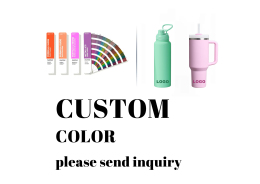
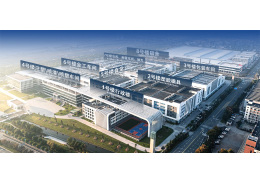
The scale and technology of production facilities directly impact capacity. Zhejiang Yedi’s website may detail its factory area, number of production lines, and automation level. For example, a modern factory with automated stamping, welding, and coating lines (for stainless steel or plastic drinkware) can achieve higher production efficiency and consistency compared to manual - heavy operations. Additionally, specialized equipment for custom designs (like laser engraving for personalized drinkware) indicates the ability to handle OEM/ODM orders, which is essential for buyers with unique product requirements.
2.2 Capacity Data and Order Fulfillment
Quantifiable data on monthly/annual production volume is key. Zhejiang Yedi might disclose its monthly output of drinkware units (e.g., tens of thousands of vacuum flasks or hundreds of thousands of tumblers) and order lead times (e.g., 15 - 30 days for standard orders, 45 - 60 days for large - scale custom orders). This information helps buyers assess if the manufacturer can meet their order size (from small batches for testing to bulk orders for market launch) and delivery timelines, especially during peak seasons or urgent restock needs.
2.3 Supply Chain and Raw Material Management
A stable supply chain ensures uninterrupted production. Zhejiang Yedi may have established partnerships with reliable raw material suppliers (e.g., for stainless steel, food - grade plastics, or insulation materials) and implemented just - in - time (JIT) inventory systems or safety stock strategies. This reduces the risk of production delays due to material shortages. Moreover, their ability to source eco - friendly or sustainable materials (in line with global trends) can also be a plus for buyers targeting environmentally conscious markets.
3. Case Study: Zhejiang Yedi’s Strengths
From its official website, Zhejiang Yedi positions itself as a one - stop drinkware solution provider, combining reliability and capacity. Its certifications (e.g., ISO, BSCI) and detailed QC processes address reliability concerns, while its modern production facilities (with automated equipment) and transparent capacity data (e.g., monthly output figures) demonstrate production strength. For example, if they produce 50,000+ vacuum flasks monthly with a 99% on - time delivery rate for repeat clients, it showcases their ability to balance quality and quantity.
Conclusion
To evaluate a Chinese drinkware manufacturer like Zhejiang Yedi, focus on certifications, QC systems, customer feedback (for reliability) and production facilities, capacity data, supply chain management (for production capacity). By analyzing these aspects (supported by the manufacturer’s official website information), businesses can make informed decisions to secure a supplier that meets their quality, quantity, and delivery requirements.


 English
 German
 French
 Russian
 Spanish
 Japanese
 Korean
 Portuguese
 Ukrainian
 Arabic
 Italian